Untitled design
MARSE

WELCOME TO virtual Internship & Training program

Fuel Your Passion, Ignite Your Career –with
Virtual Aircraft Design Internship & Training

Our internship program is designed to provide hands-on experience and practical skills in the exciting and dynamic field of aerospace engineering. Participants will have the opportunity to work on real-world projects and collaborate with industry professionals

OUR ACCREDITATION

About us

we aim to inspire curiosity, ignite imagination, and foster a deep appreciation for space science and exploration. Our ultimate goal is to empower the next generation of space enthusiasts, scientists, and innovators who will contribute to humanity’s ongoing exploration and understanding of the cosmos.”

DURATION
1 & 3 Months
MODE
LIVE + Recorded
HOURS
5-6 Hours/Week
TIME
6 PM (Mon- Sat)
LOCATION
Work From Home
SOFTWARE
Ansys Workbench. fluent.CFD
DEADLINE
30 Nov 2025

Internship Objectives

  • Understand the fundamental principles of rocket design, including aerodynamics, structures, propulsion, flight mechanics and system integration.
  • Gain proficiency in industry-standard design software and simulation tools used in rocket design and analysis.
  • Develop critical thinking and problem-solving skills through hands-on design projects and case studies.
  • Learn to apply engineering principles and standards to address real-world design challenges and constraints.
  • Collaborate effectively within interdisciplinary teams to develop innovative aircraft concepts and solutions.
  • Prepare and present comprehensive design documentation and reports to communicate design concepts and findings

KEY FEATURES

1 Months

  • Historical overview of aviation and its evolution.

  • Parts of aircraft and its functions contribute to the organization’s aerospace infrastructure.

  • Types and classifications of aircraft.Aviation Technology 

  • The design process and its phases.


  • Principles of aerodynamics and airflow around an aircraft.

  • Lift, drag, aerodynamic moment, and thrust considerations.

  • Airfoil terminology, types of airfoils, NACA airfoil series, types of drag Relation between AOA and lift  coefficient, the relation between AOA and drag coefficient, the relation between AOA and moment coefficient

  •  types of shock waves, thrust required, thrust available, power required, power available

  • Aircraft performance, stability, and control


  • Designing aircraft structures for strength and safety.

  • Composite materials and their applications in aircraft.

  • Stress analysis and structural integrity


  • Types of aircraft engines and their working principles.

  • Propeller and jet engine design.

  • Engine performance and efficiency.

  • Introduction to CATIA V5 Interface

  • Overview of CATIA V5 software and its applications

  • Understanding the user interface: workbenches, toolbars, and navigation

  • Setting up preferences and customization options

  • Introduction to sketching tools and constraints

  • Creating 2D sketches and profiles

  • Extrusions, revolutions, and sweeps


  • Advanced sketch-based modeling techniques

  • Creating complex parts using multi-feature design

  • Applying materials and properties to parts

  • NACA Airfoil wing.fuselage tail propeller turbofan engine.turbojet engine

 Introduction to CATIA V5 Surface Design

  • Overview of CATIA V5 interface focusing on the Surface Design workbench

  • Introduction to surface-based modeling concepts

  • Understanding the difference between solid and surface modeling

         Sketching for Surface Design

  • Review of basic sketching tools in CATIA V5

  • Sketching techniques relevant to surface modeling

  • Constraints and dimensions for precise sketching

  • Best practices for sketching profiles for surfacing

        Creating Basic Surfaces

  • Introduction to surface creation tools in CATIA V5

  • Creating planar, cylindrical, and conical surfaces

  • Techniques for manipulating and modifying basic surfaces

  • Understanding surface continuity and curvature analysis

            Advanced Surface Creation

  • Lofting techniques for creating complex surfaces

  • Sweep and blend features for generating intricate surface geometry

  • Using guide curves to control surface shape

  • Surface filleting and blending for smooth transitions

          : Aircraft Fuselage Design

  • Design considerations for aircraft fuselage surfaces

  • Techniques for sketching and creating fuselage surfaces

  • Lofting and blending methods for fuselage sections

  • Refining and optimizing fuselage design using surface tools

            Wing and Tail Surface Design

  • Aerodynamic considerations for wing and tail surfaces

  • Sketching and creating wing profiles using surface tools

  • Lofting and blending techniques for wing surfaces

  • Designing tail surfaces and integrating them with the fuselage

         : Landing Gear and Other Components

  • Creating landing gear surfaces using surface tools

  • Incorporating landing gear components into the aircraft model

  • Designing other aircraft components such as engine nacelles, fairings, etc., using surface techniques

  • Ensuring compatibility and integration of various components

          : Detailing and Refinement

  • Adding details such as windows, doors, and panel lines using surface modeling

  • Refining surface geometry for aesthetic appeal and aerodynamic performance

  • Surface analysis tools for evaluating curvature and continuity

  • Iterative refinement process for achieving desired surface quality

           : Assembly and Integration

  • Assembling the individual surface components into a complete aircraft model

  • Techniques for managing assembly relationships and constraints

  • Verifying fit and alignment of components through assembly checks

  • Integration of surface-based components with other systems

3 Months


  • Historical overview of aviation and its evolution.

  • Parts of aircraft and its functions contribute to the organization’s aerospace infrastructure.

  • Types and classifications of aircraft.Aviation Technology 

  • The design process and its phases.


  • Principles of aerodynamics and airflow around an aircraft.

  • Lift, drag, aerodynamic moment, and thrust considerations.

  • Airfoil terminology, types of airfoils, NACA airfoil series, types of drag Relation between AOA and lift  coefficient, the relation between AOA and drag coefficient, the relation between AOA and moment coefficient

  •  types of shock waves, thrust required, thrust available, power required, power available

  • Aircraft performance, stability, and control


  • Designing aircraft structures for strength and safety.

  • Composite materials and their applications in aircraft.

  • Stress analysis and structural integrity


  • Types of aircraft engines and their working principles.

  • Propeller and jet engine design.

  • Engine performance and efficiency.


  • Integrating aircraft systems, including avionics, navigation, and communication.

  • Flight control systems and automation.

  • Safety and redundancy considerations.


  • Overview of aviation regulations and safety standards.

  • Certification processes for aircraft and components.

  • The role of organizations like the FAA.


  • The design lifecycle from concept to prototype.

  • Design reviews, trade-offs, and decision-making.

  • Prototyping and testing.

  • Introduction to CATIA V5 Interface

  • Overview of CATIA V5 software and its applications

  • Understanding the user interface: workbenches, toolbars, and navigation

  • Setting up preferences and customization options

  • Introduction to sketching tools and constraints

  • Creating 2D sketches and profiles

  • Extrusions, revolutions, and sweeps


  • Advanced sketch-based modeling techniques

  • Creating complex parts using multi-feature design

  • Applying materials and properties to parts

  • NACA Airfoil wing.fuselage tail propeller turbofan engine.turbojet engine


  • Creating assemblies of parts

  • Inserting components and defining constraints

  • Exploded views, motion simulation, and clash detection

 Introduction to CATIA V5 Surface Design

  • Overview of CATIA V5 interface focusing on the Surface Design workbench

  • Introduction to surface-based modeling concepts

  • Understanding the difference between solid and surface modeling

         Sketching for Surface Design

  • Review of basic sketching tools in CATIA V5

  • Sketching techniques relevant to surface modeling

  • Constraints and dimensions for precise sketching

  • Best practices for sketching profiles for surfacing

        Creating Basic Surfaces

  • Introduction to surface creation tools in CATIA V5

  • Creating planar, cylindrical, and conical surfaces

  • Techniques for manipulating and modifying basic surfaces

  • Understanding surface continuity and curvature analysis

            Advanced Surface Creation

  • Lofting techniques for creating complex surfaces

  • Sweep and blend features for generating intricate surface geometry

  • Using guide curves to control surface shape

  • Surface filleting and blending for smooth transitions

          : Aircraft Fuselage Design

  • Design considerations for aircraft fuselage surfaces

  • Techniques for sketching and creating fuselage surfaces

  • Lofting and blending methods for fuselage sections

  • Refining and optimizing fuselage design using surface tools

            Wing and Tail Surface Design

  • Aerodynamic considerations for wing and tail surfaces

  • Sketching and creating wing profiles using surface tools

  • Lofting and blending techniques for wing surfaces

  • Designing tail surfaces and integrating them with the fuselage

         : Landing Gear and Other Components

  • Creating landing gear surfaces using surface tools

  • Incorporating landing gear components into the aircraft model

  • Designing other aircraft components such as engine nacelles, fairings, etc., using surface techniques

  • Ensuring compatibility and integration of various components

          : Detailing and Refinement

  • Adding details such as windows, doors, and panel lines using surface modeling

  • Refining surface geometry for aesthetic appeal and aerodynamic performance

  • Surface analysis tools for evaluating curvature and continuity

  • Iterative refinement process for achieving desired surface quality

           : Assembly and Integration

  • Assembling the individual surface components into a complete aircraft model

  • Techniques for managing assembly relationships and constraints

  • Verifying fit and alignment of components through assembly checks

  • Integration of surface-based components with other systems

Wireframe Design

  • Understanding wireframe elements: points, lines, arcs, splines, etc.
  • Techniques for creating wireframe structures
  • Constraints and relationships in wireframe design
  • Editing and modifying wireframe geometry

 Aircraft Fuselage Design

  • Design considerations for aircraft fuselage
  • Creating wireframe sketches for fuselage sections
  • Lofting techniques for creating fuselage surfaces
  • Refining and optimizing fuselage design

 Wing Design

  • Basics of wing aerodynamics
  • Sketching wing profiles using wireframe elements
  • Lofting and blending wing surfaces
  • Incorporating winglets and other features

 Tail Design

  • Importance of tail design in aircraft stability
  • Sketching tail sections using wireframe tools
  • Lofting and blending tail surfaces
  • Integrating tail components with the fuselage

Landing Gear Design

  • Types of landing gear configurations
  • Sketching landing gear components
  • Using wireframe features to create landing gear structures
  • Assembly and integration of landing gear with the aircraft model

Need to submit

Need to Submit

Performance Based 

WHY CHOOSE OUR VIRTUAL INTERNSHIP & TRAINING PROGRAM ?

🚀 Pioneering Aerospace & Space Research

Advancing aerospace technology, space exploration, and research-driven innovations.

📚 Industry-Focused Training & Internships

Specialized programs in Astronomy.Astrophysics Aerospace .Space Mechanical IT Elctrical & Electronics & computer Engineering 

🔬 Cutting-Edge Research & Innovation

Driving scientific breakthroughs in space propulsion, aerodynamics, and computational modeling.

🤝 Collaborations with Academia & Industry

Partnering with universities, research institutions, and leading aerospace firms to foster innovation.

🛠️ Hands-On Learning with Advanced Tools

Training in  Catia V5. Solidworks .Open Rocket .NASA CEA . Mission Planner  ANSYS, MATLAB, OpenFOAM, Simulink  & IT industry-leading software.

📜 Industry-Recognized Certifications

Strengthening careers with certifications recognized by top aerospace & IT industries.

📈 Driving Future-Ready Careers

Equipping learners with practical experience, real-world projects, and job-ready skills.

⚡ Be Part of the Future of Space & Aerospace!

Join MARS Exploration Pvt Ltd & Elevate Your Career!

PARTNER WITH

Registration Process

Step 1- Fill out Registration Form
Step 2 - Pay The Registration Fees
Step 3- Send Payment Recipts to hrmarsexplorationpvt@gmail.com
Step 4- Join our Whatsapp official Internship Group
INTERNSHIP START DATE- 2 Jan 2025
LAST DATE OF REGISTRATION - 30 Nov 2025

Registration Form

Registration Form 2025

EMPOWERING FUTURE INNOVATORS ; TRAINED STUDENTS FROM LEADING UNIVERSITIES!

Aerospace Internship Highlights

Join our 1 August Batch 2025
descriptionImage-1670782021710
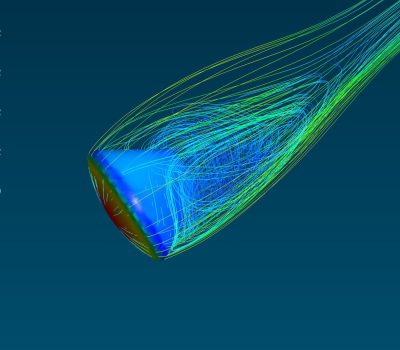
CFD Internship
Learning Software - Ansys .Fluent .CFX
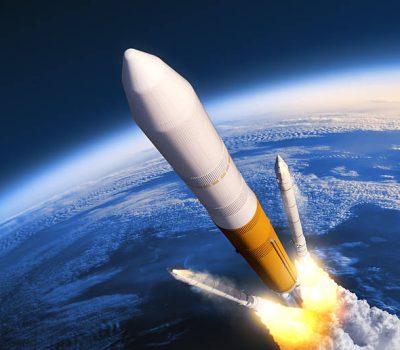
Solid Rocket Boosters Separation. 3D Scene.
Rocket Design internship
Learning Software -Catia V5 .OpenRocket & Ansys Software
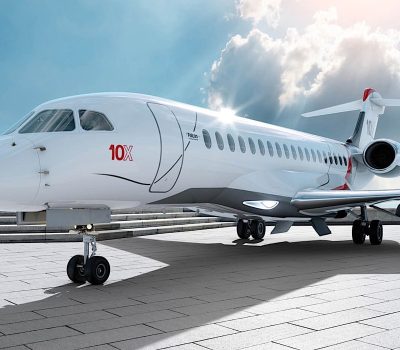
dassault-falcon-10x-is-what-happens-when-fighter-jets-get-all-business_10
Aircraft Design Internship
Learning Software -Catia v5 & Ansys Software
UAV Design Internship
Learning Software -Solid woks & Mission Planner

What are you looking for?

We offer virtual and offline internship programs in Aerospace Engineering, Mechanical Engineering, Space Engineering, and Management, along with IT training internship programs in multiple domains.

Pursuing . completed or Working professional Engineering students (Aerospace, Mechanical, IT, and related fields), graduates, and professionals looking to enhance their skills can apply.

Our programs typically last between 4 to 12 weeks, depending on the course.Our programs typically last between 4 to 12 weeks, depending on the course.

Yes, we offer both virtual and offline internship opportunities.

You can apply through our official website or Whatsapp No +918530636474 our support team for the registration link.

specialized programs may have a registration fee, which will be mentioned in the application details

Yes, all participants receive a certification of completion from MARS Exploration Pvt Ltd.

Yes, we provide hands-on project-based learning with case studies and industry applications.

Depending on your course, you may need ANSYS, Solidworks  CATIA V5, NASA CEA, Open Rocket Mission Planner or other engineering software.

We guide students to use student versions, open-source tools, or trial versions where applicable

You can reach out via email (hrmarsexplorationpvt@gmail.com), WhatsApp (+918530636474), or our official website(https://intern.marsexploration.in)/ for more information.

We provide career guidance, resume-building support, and interview preparation, but job placement is not guaranteed

Welcome to MARS Exploration, the top aerospace startup in India, offering a cutting-edge online internship program for engineering students.

You have been successfully Subscribed! Ops! Something went wrong, please try again.

Important Links

Aircraft Design Internship

Rocket Design Internship

CFD Internship

Design & Analysis Internship

Finite Element Analysis Internship

Contact

hrmarsexplorationpvt@gmail.com

+91 8530636474 (Whatsapp)

A/p MadguleTal -Atpadi
Dist Sangli Maharashtra

© 2024Created by MARSE IT Department 

Skip to content